
Violence, gender inequalities, economic insecurity and inadequate health care, nutrition and educational opportunities are a few factors that contribute to displacement and instability within impoverished communities. When a natural disaster strikes or an outbreak of violence occurs, it is common to call upon an immediate rush of donations and resources such as clothing, blankets, medical supplies and perishable food items. Although these charitable goods and donations are both necessary and much appreciated, this way of giving only satisfies short-term needs. What happens when a devastating crisis no longer makes news headlines? When a once erupting global interest to provide aid and donations slowly fades, disregarding the lives still in need of proper rehabilitation, infrastructure repairment, education, the development of legal aid systems, and employment opportunities, let alone the basic necessities of life? What happens when the demand for gifts like farm animals or school and medical supplies aren’t consistently met?
In desperate measures, the reality of these difficult situations is often met with sacrifice. Over 15 years ago it wasn’t uncommon for medical field staff in Iraq to take gauze from lacerated limbs, rinse and then reapply them to new patients (Nutt, 2011, pg.75). Due to a lack of immediate, constant resources in vulnerable communities, it wouldn’t surprise me if practices such as this one still occurred in hospitals and clinics today. I am not trying to persuade anyone from making one-time donations, but rather encourage donating to an international organization working at a grassroots level on a regular, monthly basis. This will provide an organization the opportunity to plan, develop and implement sustainable long-term programs in developing communities.
Fortunately, the international relief and development organization – World Vision – has created an authentic, innovative way for people to tackle the root causes of poverty. By making a charitable donation through the gift catalogue, vulnerable communities receive support in areas such as education, health care, agriculture, economic stability, child protection, and clean water and sanitation. With the help of grants from the government and other partnerships, several gifts multiply in value when paired with people’s donations. In the catalogue, there is a wide variety of meaningful gifts to choose from, but more specifically, it offers three programs based on monthly donation that focus on long-term community development.
Child Sponsorship:
Child sponsorship is the most personable way to connect with a child living across the globe. Sponsors make monthly payments of $39 that benefit the child’s entire community and are able to connect with the child by sending emails, photos, videos and written letters. Sponsors receive progress reports and are able to learn about the culture and needs of their child’s region. The gift catalogue also allows sponsors to donate gifts such as school and art supplies, sports equipment and more.
Village2Village:
Village2Village is a program that impacts multiple communities in need of resources. It helps to improve education, healthcare, economic development, child protection, nutrition and food security. This option is much less personable, but it still provides humanitarian aid towards 8 different communities across 6 countries: Bhandaria, Bangladesh; San Pedro, Guatemala; Soin, Kenya; Achham West, Nepal; Shishiyu, Tanzania; and communities Ngommalath, Soukhouma, Xebangfay in Laos. Monthly payments can range from $10 to $59.
Raw Hope:
Raw Hope is a program that specifically helps people living in conflict zones. Donations are pooled together with government grants and go towards basic needs like water and sanitation, food and nutrition, child protection, health care and support services for survivors healing from trauma. The countries benefitting from these resources may vary depending on the natural disasters and conflict situations that arise. However, gifts are commonly given to Honduras, DRC, Burundi, Central African Republic, Sudan, Somalia, Iraq, Syria and Afghanistan.
Overall, the gift catalogue has benefited over thousands of people living in vulnerable places across the globe. With your help, pledging to donate on a regular basis creates the foundation for long-term success. Remember that both inaction and action make a difference. If you are wanting to become a more efficient, active global citizen, it is imperative to educate yourself on the strategic ways to give.
Resources
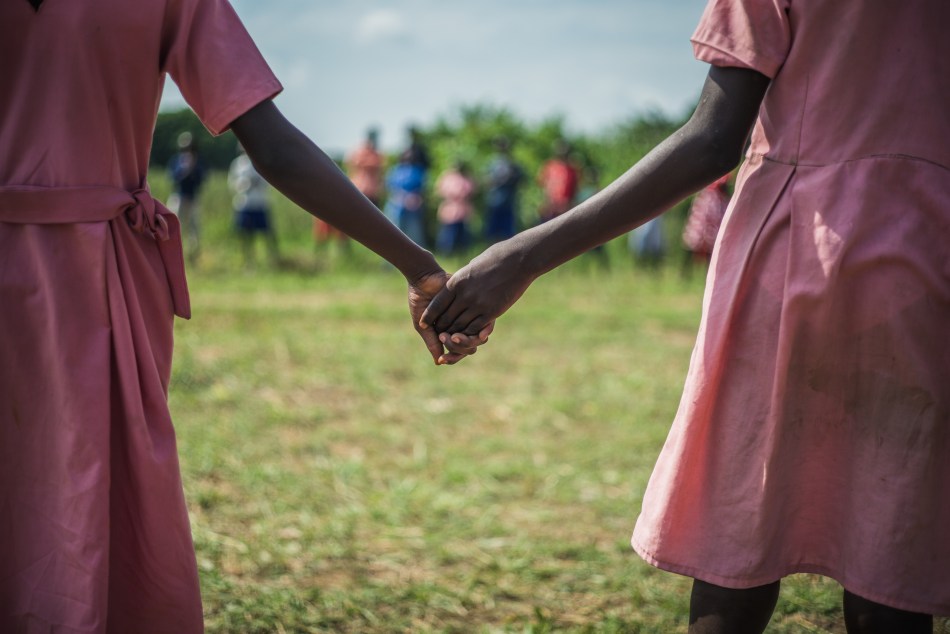
Image by Stephen G. Woo Photography – World Vision Canada Ambassador trip to Uganda 2019
Nutt, S. (2011). Damned Nations: Greed, Guns, Armies & Aid. United States of America: McClelland & Stewart.
World Vision. (n.d.). Gift Catalogue. Retrieved from https://donate.worldvision.ca/pages/gift-catalogue
World Vision. (n.d.). Raw Hope. Retrieved from https://donate.worldvision.ca/products/help-children-in-dangerous-conflict-zones
World Vision. (n.d.). Sponsor a Child. Retrieved from https://donate.worldvision.ca/collections/sponsorships
World Vision. (n.d.). Village2Village. Retrieved from https://www.worldvision.ca/village2village
 Life in Colour
0 comments on “Why monthly donations are a long-term solution in humanitarian aid”